Trongsa
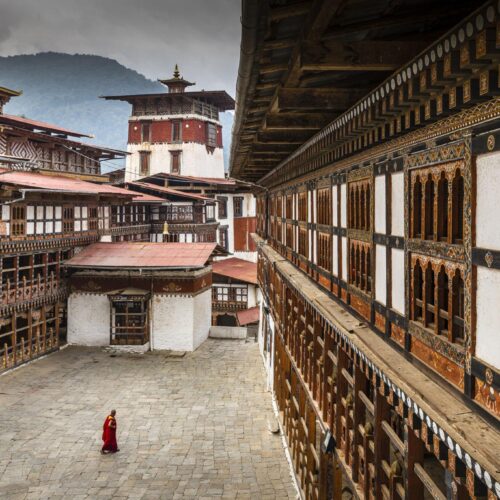
Trongsa sits dramatically above the Mangde Chhu valley, where the town’s identity is inseparable from the rise of Bhutan’s monarchy and its role as a historical seat of power. Dominating the ridge is Trongsa Dzong, a vast fortress-monastery that unfolds in cascading tiers along the mountainside, linking watchtowers, courtyards and temples that once governed the kingdom’s central and eastern regions. Just above it, Ta Dzong (Trongsa Museum) preserves royal relics, ancient thangkas and historical artifacts that trace Bhutan’s transition from regional rule to unified monarchy. Across the valley, the distinctive vertical homes known as Trongsa Tower Houses reflect centuries of defensive architecture and family-based living systems that still shape local settlement patterns. Even roadside landmarks like Chendebji Chorten reveal the region’s spiritual landscape, where circular stupas and protective folklore are embedded into everyday travel routes rather than isolated monuments.
Beyond its historical core, Trongsa opens into one of Bhutan’s most immersive natural corridors, connecting culture with highland wilderness. The surrounding forests form part of the broader ecological system linked to Black Mountain National Park, where dense pine slopes, hidden ridgelines and rare wildlife habitats define the central Himalayan ecosystem. The Mangde Chhu River cuts through this landscape, shaping villages, farmlands and walking trails that lead into remote settlements and meditation sites. Seasonal journeys often extend toward the sacred Bumthang Valley Excursion, where ancient monasteries and spiritual landscapes deepen the cultural continuum of the region. During festival time, the town transforms through the Trongsa Tshechu, when the courtyards of Trongsa Dzong come alive with masked dances and oral traditions that recount Bhutan’s spiritual history. Together, these elements make Trongsa not just a stopover but a living passage through Bhutan’s origins, landscapes and enduring traditions.
Cultural
Explore the rich cultural heritage and traditions of Bhutan through immersive experiences. This activity includes visits to ancient monasteries, traditional villages, heritage sites, and local festivals. Travelers can engage with local communities, witness traditional arts and crafts, and experience authentic Bhutanese customs, cuisine, and daily life. It is perfect for those who want to understand the deep spiritual and cultural essence of Bhutan beyond its landscapes.
Festival / Tshechu
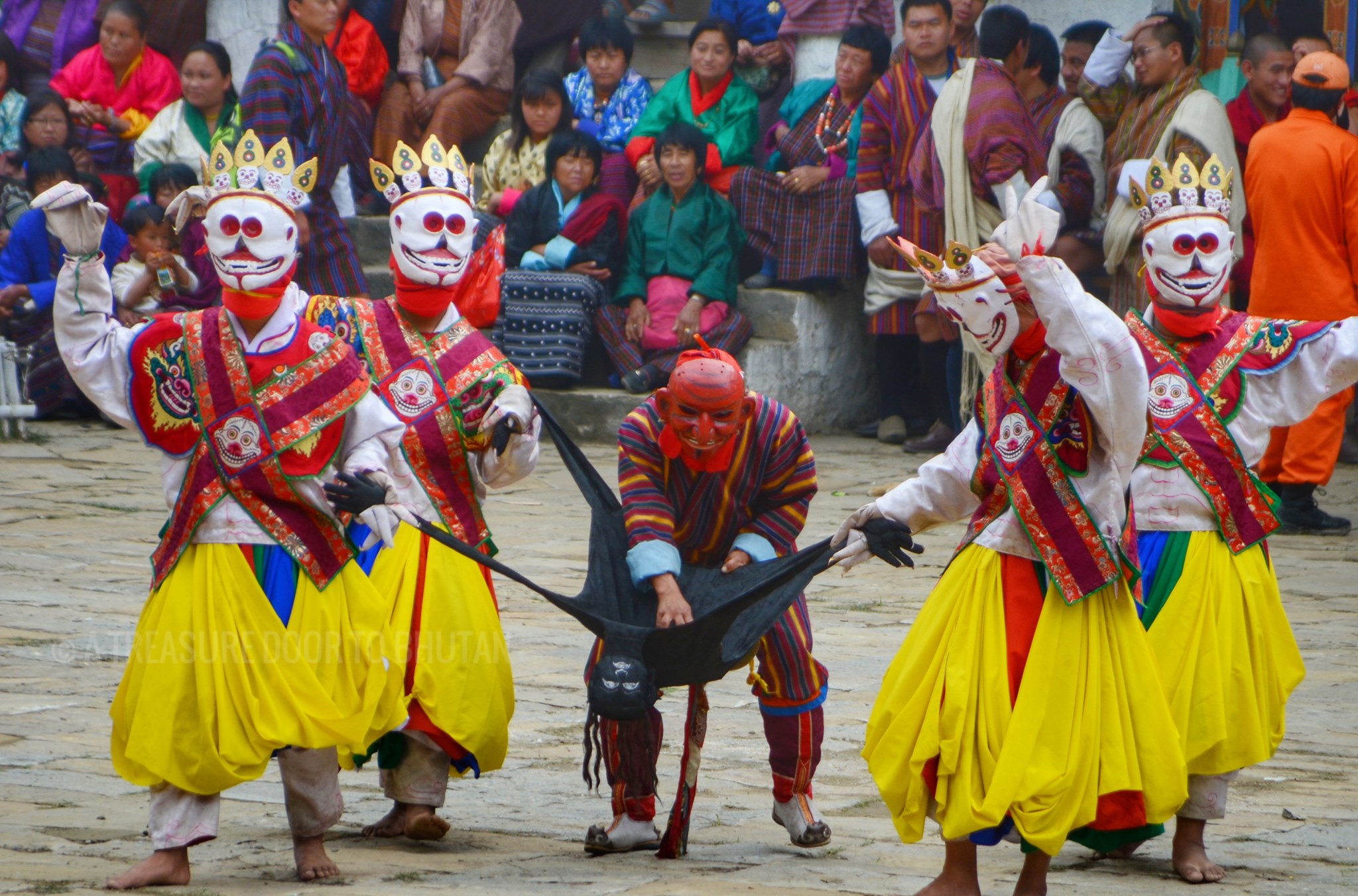
Tshechu festivals are Bhutan’s most important annual religious celebrations, held in monasteries and dzongs across the country on auspicious lunar dates. Dedicated to Guru Rinpoche,the saint who introduced Buddhism to Bhutan.These festivals are not staged performances but deeply sacred events rooted in centuries-old spiritual practice. The highlight is the Cham mask dances, performed by monks and lay practitioners in vibrant costumes within historic courtyards such as Rinpung Dzong or Tashichho Dzong or any other Dzong across the country.. A unique highlight for travelers is the rare unfurling of the Thongdrel (large sacred scroll), witnessed at dawn and believed to offer spiritual blessings to those who see it.
For travelers booking Bhutan tours, Tshechu experiences offer exclusive cultural access that is carefully managed under Bhutan’s tourism policy of controlled, low-impact visitation. Each festival is intimate, allowing guests to observe authentic community participation—locals in traditional dress, monks performing ritual dances and entire valleys gathering in celebration. Depending on the season, visitors can align their journey with major festivals such as Paro, Thimphu, Bumthang or any other region Tshechu, creating a rare opportunity to combine sightseeing with living heritage. More than a cultural event, Tshechu becomes a powerful travel experience offering spiritual atmosphere, visual spectacle and a deep connection to Bhutan’s living traditions in a way few destinations in the world can match.
Mountain Biking
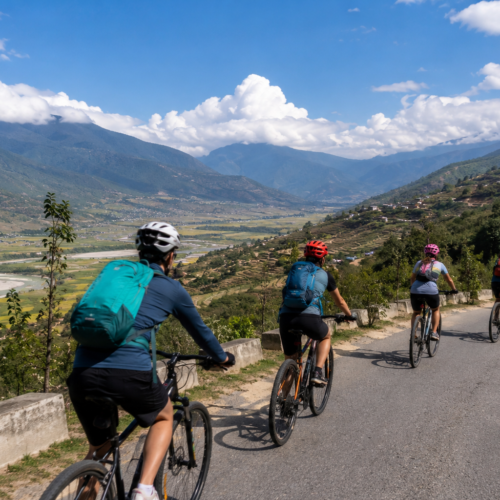
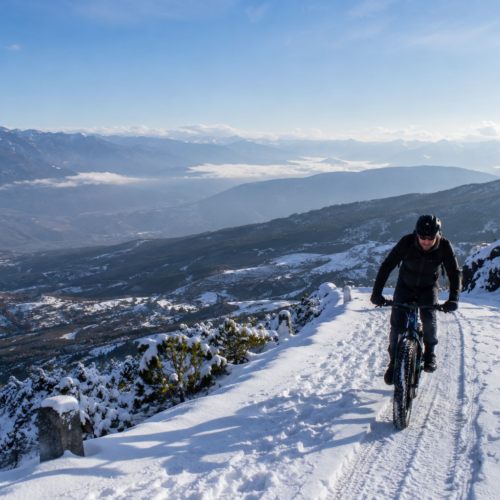
Mountain biking offers an exciting and immersive way to explore diverse landscapes, combining adventure, fitness, and discovery. Riders traverse a mix of terrains—from smooth countryside roads to rugged off-road trails—while enjoying close-up views of nature and local surroundings.
These experiences are designed to suit a range of skill levels, with routes that can include gentle valley rides, challenging climbs, and thrilling descents. Along the way, cyclists often pass through scenic viewpoints, rural communities, and culturally significant sites, adding depth to the journey beyond just the ride.
Whether you’re seeking an adrenaline-filled challenge or a relaxed outdoor experience, mountain biking provides a unique perspective and a deeper connection to the destination.