
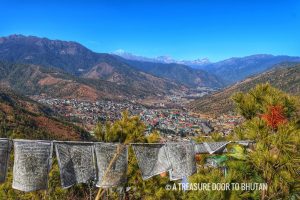
 Thimphu, the capital city of Bhutan, seamlessly blends tradition with modernity. As the political and economic heart of the country, Thimphu offers a unique glimpse into Bhutanese life, where ancient customs coexist with contemporary development. Nestled in a valley along the Wang Chhu River, Thimphu is known for its vibrant cultural scene, bustling markets, and significant landmarks.
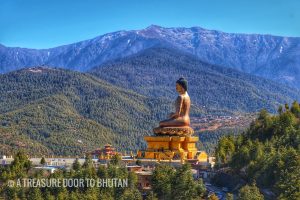 A massive statue overlooking the city, offering panoramic views. This giant bronze statue of Shakyamuni Buddha, standing 169 feet tall, is one of the largest Buddha statues in the world. The statue houses over 125,000 smaller Buddha statues, each made of bronze and gilded in gold.
- Highlights:
- Panoramic Views: The site offers stunning views of Thimphu and the surrounding valley.
- Spiritual Significance: The statue symbolizes Bhutan’s dedication to peace and prosperity. It’s a revered spiritual site and a major pilgrimage destination.
- Architectural Feat: The sheer size and craftsmanship of the statue are awe-inspiring. The base of the statue is a large meditation hall, adorned with intricate murals and statues.
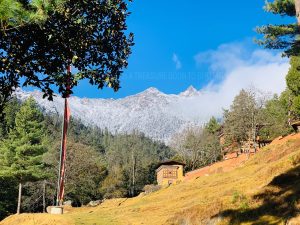 A significant monastery dedicated to Gyenyen, the protective deity of Bhutan. Located in the upper reaches of the Thimphu Valley, Dechenphu Lhakhang is an important pilgrimage site and holds great spiritual significance.
- Highlights:
- Spiritual Importance: The monastery is dedicated to Gyenyen Jagpa Melen, the guardian deity of Bhutan, and is revered by Bhutanese for its spiritual power.
- Architectural Beauty: The monastery features traditional Bhutanese architecture with intricate woodwork and vibrant murals depicting various deities and religious stories.
- Cultural Insight: Dechenphu Lhakhang offers a deep insight into Bhutanese spiritual practices and traditions. Visitors often witness monks performing rituals and locals offering prayers.
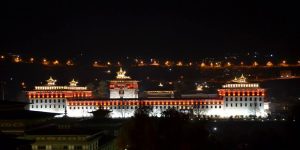 The seat of the government and an architectural marvel. This impressive fortress-monastery is the office of the King of Bhutan and the central monk body. It is also the venue for the annual Thimphu Tshechu, one of Bhutan’s most important religious festivals.
- Highlights:
- Government Hub: Houses the throne room and offices of the King, as well as various government ministries. It is the administrative and religious center of Bhutan.
- Architectural Beauty: The dzong is a fine example of traditional Bhutanese architecture with its whitewashed walls, golden roofs, and intricate woodwork. The structure is particularly stunning when illuminated at night.
- Cultural Significance: The dzong plays a crucial role in Bhutan’s religious and administrative life. It is also a spiritual center, with a large number of monks residing and practicing there.
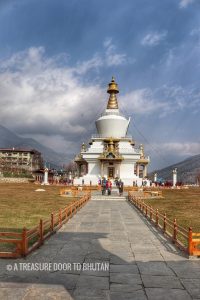 A popular religious site where locals gather for daily prayers. Built in 1974 in memory of the third King, Jigme Dorji Wangchuck, the chorten is a place of reflection and devotion.
- Highlights:
- Spiritual Atmosphere: The chorten is continuously circled by people praying and spinning the large prayer wheels. It is a vibrant center of religious activity, especially in the mornings and evenings.
- Architectural Design: Features intricate mandalas, statues, and a large central stupa. The structure is adorned with golden spires and a red band, symbolizing the spiritual traditions of Bhutan.
- Cultural Insight: Visiting the chorten provides a glimpse into the daily spiritual practices of Bhutanese people. It’s a place where locals gather to perform their rituals and seek blessings.
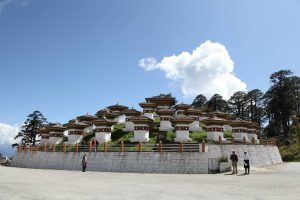 A stunning mountain pass located on the way from Thimphu to Punakha, Dochula Pass offers breathtaking panoramic views of the Himalayas. The pass is adorned with 108 memorial chortens (stupas), known as Druk Wangyal Chortens, built in honor of Bhutanese soldiers who perished in the 2003 military operations.
- Highlights:
- Scenic Beauty: On a clear day, visitors can enjoy spectacular views of the snow-capped Himalayan peaks.
- Druk Wangyal Chortens: The 108 chortens are beautifully arranged on a hill, creating a striking and serene environment.
- Druk Wangyal Lhakhang: A nearby temple that features elaborate murals depicting Bhutanese history and spiritual themes.
- Nature Trails: The area around Dochula Pass is ideal for short hikes and nature walks, allowing visitors to experience the natural beauty and tranquility of the region.
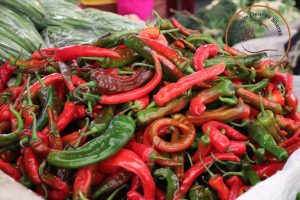 A vibrant market showcasing local produce, handicrafts, and textiles. Held from Friday to Sunday, this market is a bustling hub of activity and an excellent place to experience Bhutanese culture and cuisine.
- Highlights:
- Local Produce: Fresh fruits, vegetables, and organic products straight from the farms. The market offers a wide variety of local specialties, including exotic fruits and vegetables unique to the region.
- Handicrafts and Textiles: A wide range of traditional Bhutanese crafts, including handwoven fabrics, jewelry, and wooden items. This is the perfect place to purchase authentic Bhutanese souvenirs and support local artisans.
- Culinary Delights: Sample local foods and snacks, from homemade cheese to dried meat and traditional Bhutanese dishes like ema datshi (chili cheese) and momos (dumplings). The market is a food lover’s paradise, with stalls offering delicious and freshly prepared meals.